

Understanding the Sites That Are No Longer Active
Understanding the Sites That Are No Longer Active
In today’s digital landscape, where millions of websites coexist, it is not uncommon to encounter sites that are no longer operational. The reasons behind a website’s inactivity can vary greatly—from technical issues to changes in ownership, and even shifts in societal trends. One such site that mirrors the ebb and flow of online activity is which sites are not on GamStop? artworks-unlimited.co.uk, which has seen its share of digital challenges. This article endeavors to uncover the common factors contributing to the disappearance of websites and the ramifications of such occurrences.
1. Lack of Maintenance
One of the primary reasons that websites become inactive is a lack of maintenance. Regular updates are crucial to ensuring that a website remains functional and relevant. Websites that are not updated with new content, security patches, or technology upgrades can quickly fall behind the competition. This leads to diminishing user experience, which can cause traffic to dwindle and ultimately result in the site becoming defunct.
2. Financial Challenges
Many sites are run independently or by small businesses, and sustaining operational costs can often be a major hurdle. Hosting fees, domain renewals, and the expenses associated with creating fresh content all add up. Should a website owner face financial difficulties, they may choose to abandon their site rather than continue pouring resources into it, leading to its eventual shutdown.
3. Shift in Market Demand
As consumer preferences evolve, certain websites may lose their relevance. For instance, an online retail site catering to a specific niche may find that demand has shifted towards larger competitors or entirely different products. When this happens, site owners may find it increasingly difficult to attract visitors, which can result in the decision to close the site altogether.
4. Legal Issues
Websites can also become inactive due to legal challenges. Copyright infringements, trademark disputes, or non-compliance with digital regulations can lead to the removal of a website from the internet. Owners may either not have the resources to resolve these issues or may decide that the risks are too great to continue operating.
5. Changes in Technology
The rapid evolution of technology can leave certain websites obsolete. For example, sites that were built on outdated coding languages or platforms may not function properly on modern devices or browsers. Without a timely redesign or upgrade, such sites can lose functionality and eventually become inactive. This is particularly prevalent in areas like e-commerce, where user experience is paramount.
6. Domain Expiration
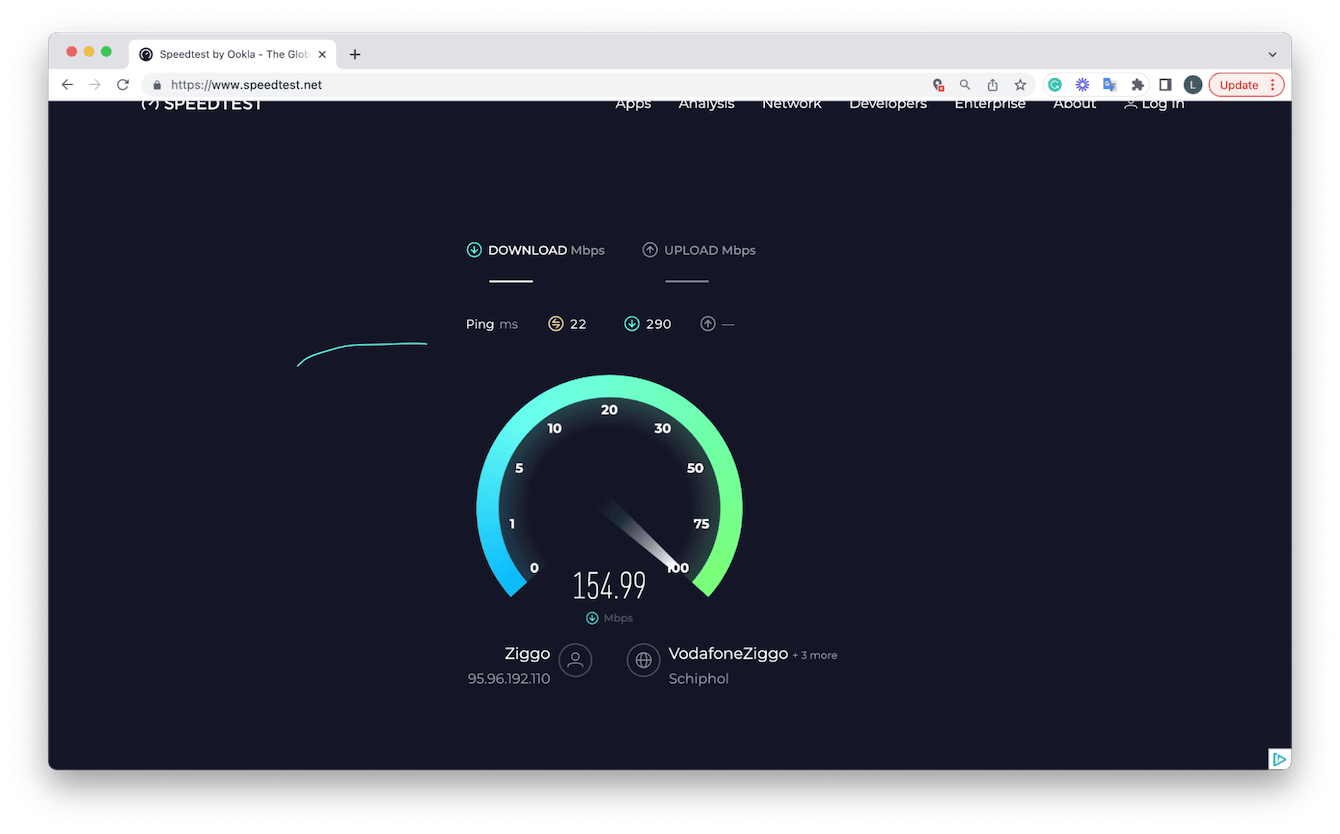
Many websites face the fate of inactivity simply because the domain name expires. This can happen due to negligence on the part of the owner or insufficient funds to renew the domain. Once a domain name has expired, the website associated with it can no longer be accessed, leading to instant inaccessibility. For some website owners, the expiration of their domain might also mark the end of their interest in maintaining a presence online.
7. Competition and Saturation
The internet is a highly competitive space. Over time, some websites may struggle to keep up with the increasing number
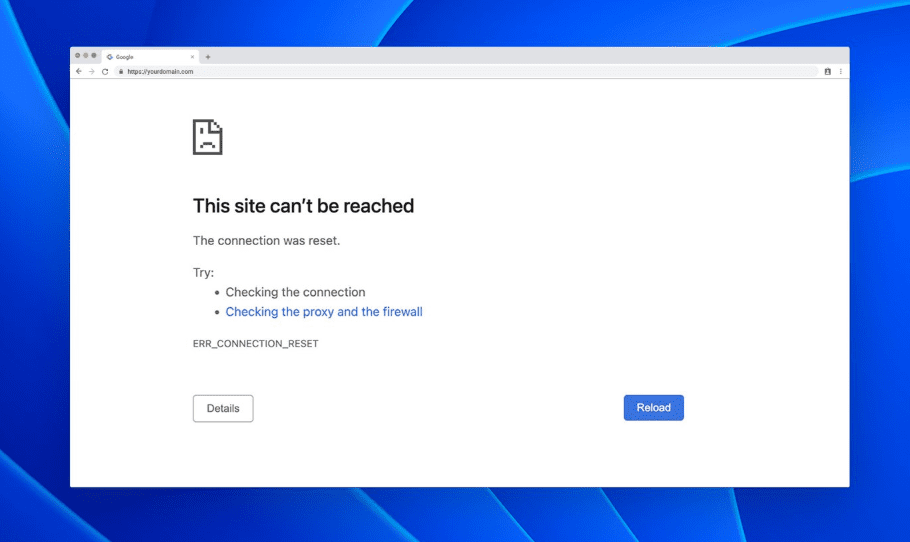
of competitors offering similar or superior services. If a website fails to innovate or provide unique value propositions, it risks being overshadowed and subsequently abandoned by its creators.
8. User Experience Issues
Online users have high expectations when it comes to user experience. A slow, confusing, or poorly designed website can deter visitors and drive them away to competitors. Site owners must prioritize user experience, or they may face high bounce rates and low engagement. Over time, if a website continues to deliver a suboptimal experience, it may become less attractive to its audience, leading to cessation.
9. Technological Migrations
As services evolve, businesses may migrate their operations to more modern platforms or systems. This is common in industries that experience rapid advancements in technology. If a website can no longer accommodate these changes or fails to adapt to new platforms, it may be retired in favor of more versatile solutions.
10. Social Media and Alternative Platforms
The rise of social media has reshaped how users communicate and consume content. Many users now prefer platforms like Instagram, Facebook, and Twitter for their needs, causing traditional websites to lose their user bases. Consequently, some businesses might decide to redirect their efforts toward maintaining a social media presence rather than managing a standalone website.
Conclusion
The discontinuation of a website can stem from a variety of interconnected factors, whether it’s a lack of resources, shifts in market demand, or the rapid pace of technological advancement. Understanding these elements is vital for anyone looking to maintain a successful online presence. Whether you are an entrepreneur or simply a curious user, knowing why certain sites fall into inactivity can help inform your digital experiences and strategies moving forward.