

The Vibrant Community of Vanuatu Culture, Tradition, and Togetherness
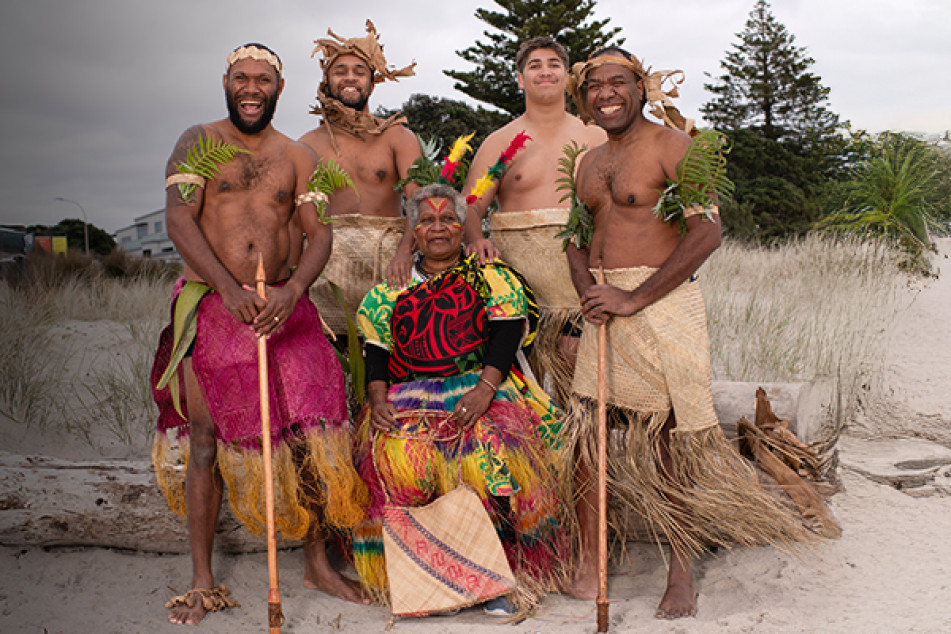
Vanuatu is not just a destination known for its picturesque landscapes and stunning beaches; it is a rich tapestry of culture and community that deeply resonates with both its indigenous and expatriate populations. The spirit of community in Vanuatu is palpable, fostering connections that are evident throughout the country. Visitors can vanuatu community visit website to learn more about the ways in which the community engages in various cultural practices, traditions, and initiatives aimed at promoting unity and well-being.
The Republic of Vanuatu is located in the South Pacific Ocean and consists of approximately 83 islands, each contributing to the overall cultural mosaic of the nation. This archipelago is home to over 300,000 people who speak around 113 different languages. This linguistic diversity is just one indicator of the rich cultural heritage present in Vanuatu, where each island has its unique customs, music, dance, and art. The way communities come together to celebrate and preserve their traditions plays a significant role in fostering a sense of belonging among the people.
Central to Vanuatu’s community life is the concept of ‘kastom,’ which refers to the customs and cultural practices that have been passed down through generations. Kastom defines the social interactions, rituals, and lifestyles of the locals, forming the backbone of their identity. Ceremonies and festivals, ranging from clan gatherings to initiation rites, are vital expressions of community cohesion. These events not only reinforce social ties but also serve as means for the transmission of values, knowledge, and heritage from elders to the younger generation.
The communal lifestyle in Vanuatu is predominantly characterized by strong kinship ties. Families extend beyond what many in the Western world would consider ‘immediate’ family, encompassing broader clan relations. This extended family approach fosters a sense of responsibility and support among community members. In village life, resources and labor are often shared, with families working together on tasks such as farming, fishing, and construction of traditional houses. Such cooperation reinforces social bonds and ensures that no one in the community is left without support.
In Vanuatu, traditional agricultural practices form a crucial part of community life. Most rural communities engage in subsistence farming, growing crops such as taro, yam, and cassava. The cultivation of these crops is not merely for sustenance; they also hold cultural significance. Festivals celebrating harvests are common, providing an opportunity for communities to come together, rejoice in the abundance, and honor the spirits of the land. These gatherings not only celebrate agricultural success but also strengthen community relationships by engaging everyone in joyful activities.
Moreover, Vanuatu is home to some of the most rich and elaborate traditional arts and crafts. The intricate carvings, woven mats, and vibrant textiles are often made collaboratively within communities, showcasing both individual craftsmanship and collective creativity. This artistry is not only an outlet for self-expression but also a means of preserving cultural identity. By utilizing native materials and techniques passed through generations, communities maintain a connection to their ancestry while adapting to modern influences.


One of the defining aspects of Vanuatu’s community life is the importance of church and spirituality. The majority of the population practices Christianity, which has played a significant role in shaping social values and community dynamics. Churches often serve as central hubs of social activity, providing a space for worship, fellowship, and communal decision-making. Events such as church services and community meetings frequently bring together people from various backgrounds to engage in discussions that affect their lives and well-being, reinforcing social cohesion.
Vanuatu’s rich community spirit is also evident in its response to challenges posed by globalization, climate change, and economic development pressures. As tourism continues to grow in popularity, communities are exploring ways to blend economic opportunities with the preservation of cultural heritage. Community-based tourism initiatives have gained traction, allowing villagers to share their lifestyle, traditions, and homestays with visitors in a way that respects both the environment and cultural values.
Community members take pride in their culture and often work together to advocate for sustainable practices. There has been a growing movement towards eco-tourism, where the focus is on protecting natural resources and minimizing the impact of tourism on local ecosystems. Through collaborative efforts, communities are striving for development strategies that prioritize both cultural preservation and environmental sustainability.
Education and youth empowerment are also crucial elements of community development in Vanuatu. For many islands, access to education has improved significantly, with communities championing the importance of schooling as a pathway to a better future. Local schools often adopt culturally relevant curriculums designed to instill a sense of pride in students about their heritage. Moreover, youth programs and workshops run by community leaders help equip young people with skills while fostering a sense of responsibility and engagement in community affairs.
As Vanuatu moves forward, the strength of its community remains its greatest asset. The interwoven fabric of kinship, traditions, and shared experiences will continue to define the essence of Vanuatu. By nurturing these cultural tenets and promoting unity, the people of Vanuatu can address modern challenges while remaining true to their roots.
In conclusion, the community of Vanuatu is a vibrant celebration of cultural richness, resilience, and togetherness. The bonds that unite the people — be it through shared customs, agricultural practices, or collective endeavors — define not just their identity but also their ability to navigate the complexities of a changing world. Vanuatu may be a small nation, but the strength of its community echoes profoundly through its islands, embodying a spirit of cooperation, respect, and belonging that serves as a model for generations to come.